
All stories Israel Hayom
Everyone Is Exposed: The Phone Call That Steals Your Voice — and Empties Your Bank Account
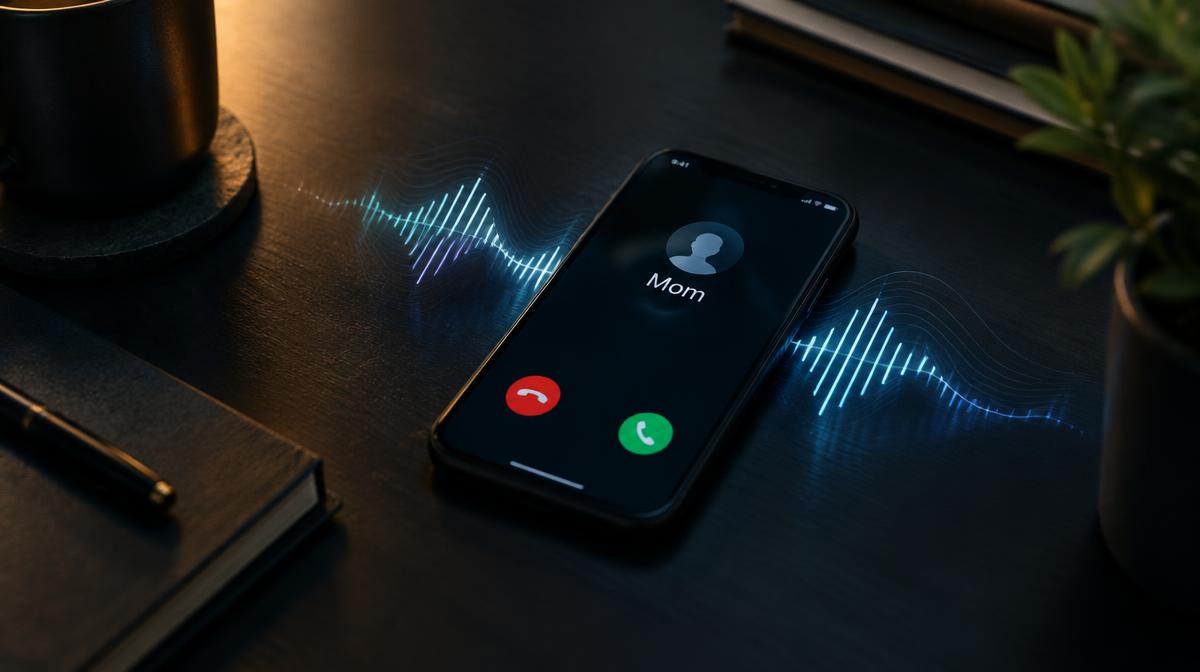
A roughly 395% jump in reports of AI fraud reveals how criminals clone voices from online videos or innocent-looking survey calls. Chen Bareket explains why the technology changes the rules of the game — and how to protect yourself.
Quotes by Chen Bareket
Selected excerpts from the interview.
You no longer need to hack into a person's account or take over their phone to impersonate them. A voice sample can be used to produce an imitation that sounds credible, sometimes combined with personal information found on social media
Until now we have grown used to relying on human cues to know who we are talking to: the voice, the way of speaking, the appearance, even the way a person reacts. AI makes it possible to generate these cues artificially, sometimes with a precision that is hard to detect. This is a profound shift, because it doesn't just make it possible to fake a specific person — it undermines the way we determine what is real and what is not. The challenge is to understand that a cue that seems authentic to us no longer necessarily indicates an authentic source
We are entering a reality in which the ability to produce convincing content is advancing faster than our ability to verify it
When a familiar voice is no longer proof of identity, protection starts with habits: pause, hang up and verify through a separate channel. Alongside technological tools, digital literacy is the first line of defense — at every age.